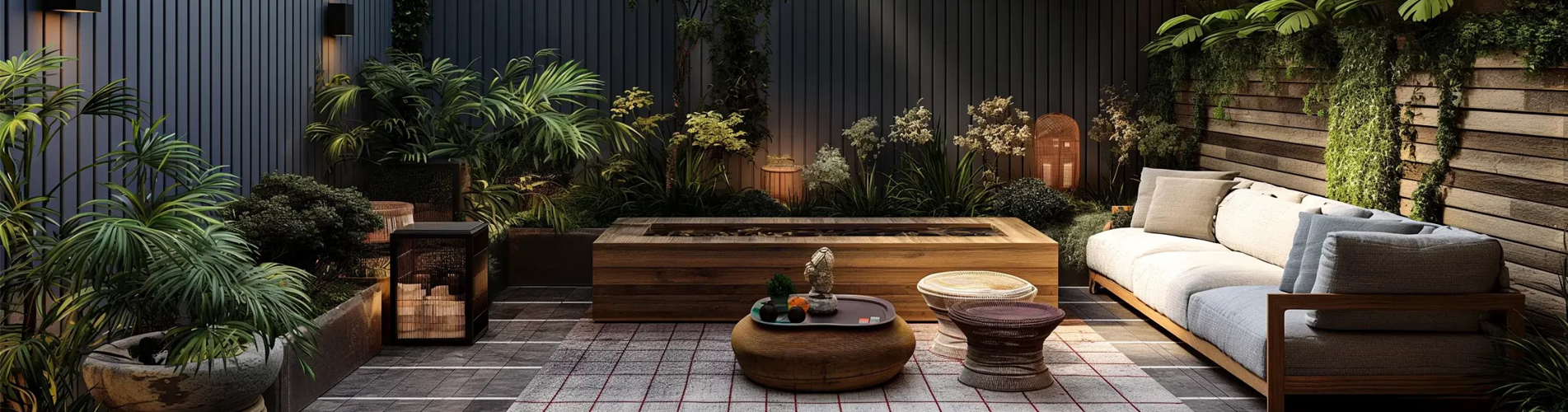
Vous avez choisi le parfait Bandeaux lumineux LED Pour votre projet, vous avez trouvé la solution idéale : un éclairage lumineux, une température de couleur parfaite et une installation imminente. Mais une question, même pour les bricoleurs les plus aguerris, reste en suspens : De quelle alimentation ai-je besoin ?
L'utilisation d'une alimentation électrique inadaptée peut entraîner vacillant, Faible intensité lumineuse, surchauffe, voire panne complète : ce guide vous explique précisément comment choisir l’alimentation électrique adaptée (puissance, tension et étanchéité) pour un éclairage performant et durable.
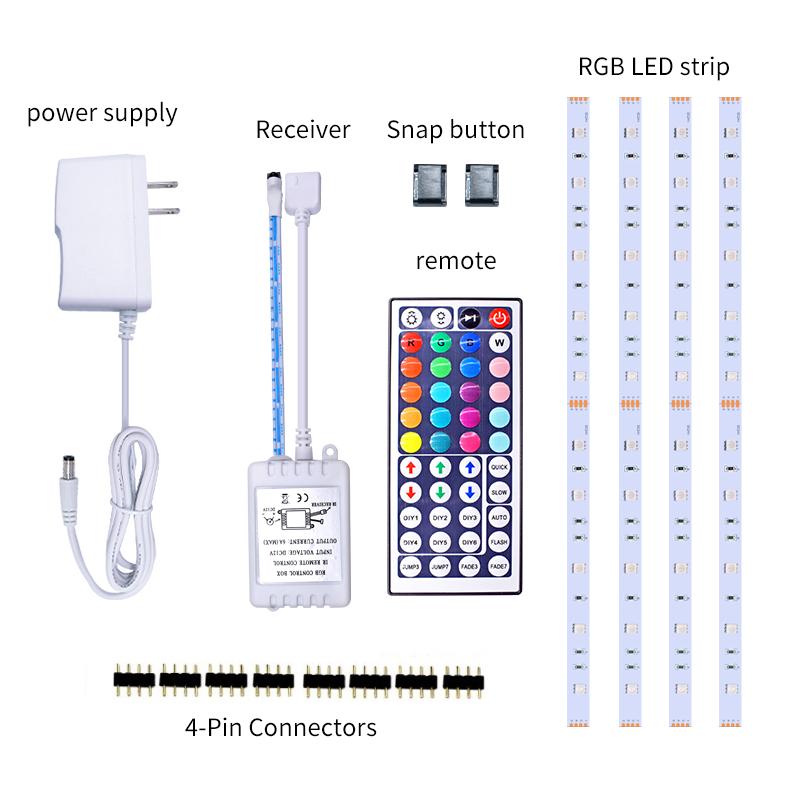
La plupart des bandes LED fonctionnent soit sur l'un, soit sur l'autre. 12 V CC ou 24 V CC Vérifiez les spécifications de votre produit avant toute chose.
bandes 12V sont courantes pour les courtes distances (moins de 5 mètres) et les applications monochromes ou RVB de base.
bandes 24V sont meilleures pour les longues distances (plus de 5 mètres) car elles subissent moins de chute de tension et peuvent transporter plus de puissance sur une distance plus longue.
Conseil de pro : Si vous installez des bandes LED à l'extérieur ou dans une cuisine, le 24V est souvent le choix le plus sûr et le plus fiable.
C'est l'étape la plus importante. Chaque bande LED possède une puissance par mètre (W/m). Multipliez cette valeur par la longueur totale de votre bande pour obtenir la puissance requise.
Exemple:
Vous disposez d'une bande de 5 mètres d'une puissance nominale de 10 W/m.
5 m × 10 W/m =
50W au total
Ajoutez maintenant un marge de sécurité de 20% Cela empêche l'alimentation de fonctionner en permanence à 100 % de sa capacité, ce qui réduit la chaleur et prolonge sa durée de vie.
50 W × 1,2 = Alimentation minimale de 60 W
Règle générale : Choisissez toujours une alimentation électrique de puissance nominale au moins 20 % plus élevé que votre puissance calculée.
Adaptateur secteur (prise murale) : Idéal pour les projets de bricolage et les petites installations comme l'éclairage sous les meubles ou le rétroéclairage de la télévision. Il suffit de le brancher sur une prise standard.
Câblé (driver/transformateur) : Utilisé pour les installations de grande envergure, les projets commerciaux ou lorsque vous souhaitez dissimuler l'alimentation électrique dans une armoire ou un plafond. Nécessite des connaissances de base en électricité.
Pour la plupart des particuliers, un adaptateur secteur suffit amplement. Pour les installations nécessitant une finition soignée, les drivers câblés peuvent être dissimulés.
Nombreux sont ceux qui achètent un ruban LED étanche pour leur terrasse ou leur salle de bain, mais oublient de vérifier l'indice de protection (IP) de l'alimentation. Si votre ruban est IP65 ou IP67 mais que votre alimentation est IP20, une simple éclaboussure peut détruire toute l'installation.
En intérieur, dans des endroits secs : L'alimentation IP20 convient parfaitement.
En extérieur, dans des endroits couverts ou humides : Alimentation IP65 (résistante aux éclaboussures).
En extérieur, totalement exposé ou à proximité de l'eau : Alimentation électrique IP67 (submersible).
Conseil de pro : Vous pouvez placer un bloc d'alimentation d'intérieur dans un boîtier étanche si vous en possédez déjà un. Toutefois, il est plus hygiénique d'opter dès le départ pour un modèle avec l'indice de protection IP approprié.
Si vous souhaitez tamiser vos lumières ou utiliser une télécommande intelligente (Alexa, Google Home, etc.), assurez-vous que votre alimentation électrique est… gradable et compatible avec votre manette.
Les alimentations classiques (non réglables) clignoteront ou tomberont en panne si elles sont utilisées avec un variateur.
Recherchez la mention « gradable » ou « gradation 0-10 V » dans la fiche technique.
Les contrôleurs intelligents nécessitent souvent un tension constante Alimentation secteur – la plupart des drivers pour rubans LED en sont déjà équipés. Vérifiez tout de même avant d'acheter.
| Longueur de votre bande | Puissance par mètre | Puissance totale | Alimentation électrique recommandée (avec une marge de 20 %) |
|---|---|---|---|
| 2 m | 10W/m | 20W | 24 W – 30 W |
| 5 m | 10W/m | 50W | 60W – 80W |
| 5 m | 14,4 W/m (RGB) | 72W | 86W – 100W |
| 10 m | 10W/m | 100 W | 120 W – 150 W |
| 10 m | 14,4 W/m | 144 W | 173 W – 200 W |
Erreur n° 1 : Utiliser une alimentation de puissance insuffisante
La bande peut s'allumer, mais elle sera faiblement éclairée, clignotera ou s'éteindra lorsque la luminosité sera augmentée.
Erreur n° 2 : Négliger la chute de tension sur les longues distances
Pour les câbles de plus de 5 mètres avec des bandes de 12 V, vous devrez injecter du courant aux deux extrémités ou passer à du 24 V.
Erreur n° 3 : Acheter une alimentation non étanche pour une multiprise extérieure
Même si la multiprise est certifiée IP67, une simple projection d'eau sur son alimentation la détruira. Assurez-vous de respecter l'indice de protection IP.
Erreur n° 4 : Ne pas ajouter la marge de sécurité de 20 %
Faire fonctionner une alimentation électrique à 100 % de sa capacité pendant des heures génère de la chaleur, réduit sa durée de vie et augmente le risque de panne.
Choisir la bonne alimentation est tout aussi important que choisir le ruban LED lui-même. Prenez quelques minutes pour calculer la puissance nécessaire, vérifier la tension et tenir compte de l'environnement d'installation. Vous éviterez ainsi les scintillements, les pannes prématurées et les risques potentiels pour la sécurité.
Chez Gming LED, nous proposons une gamme complète de Bandeaux lumineux LED – des options monochromes de base aux options RGB et COB avancées. Parcourez notre catalogue Bandes LED RGB pour d dynamique effets de couleur, ou consultez notre Bandes LED flexibles COB Pour un éclairage uniforme et sans points lumineux. Toutes nos bandes LED sont conçues pour fonctionner parfaitement avec l'alimentation adaptée, et notre équipe est toujours là pour vous aider à trouver la solution idéale pour votre prochain projet d'éclairage.
Vous hésitez encore ? Contactez notre équipe et fournissez-nous les détails de votre projet ; nous vous aiderons à choisir l’alimentation électrique adaptée en quelques minutes.

 Notre magasin


 Network IPv6 pris en charge
 English
 français
 español
 العربية
 한국의
한국의